
Mortgage Education · 2026 Guide
What Credit Score Do You Need to Buy a House?
There's no single magic number — it depends on the loan program. Here are the typical minimums, how lenders actually use your score, and how to strengthen yours before you apply.
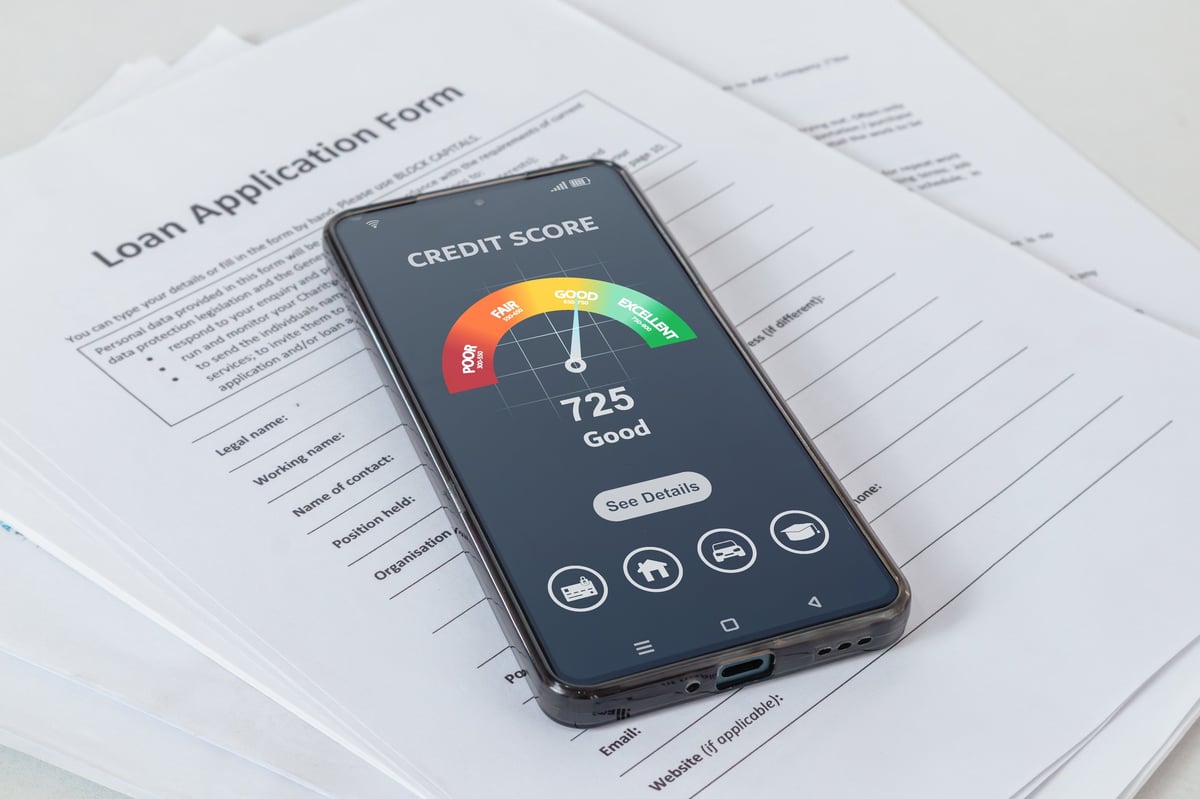
Many conventional approvals start at 620
The Short Answer
It depends on the loan program
For a conventional loan, many lenders look for a credit score of about 620 or higher, and the strongest pricing usually begins in the mid-700s. Government-backed programs and certain specialty programs may allow lower scores.
But your score is only one part of the picture. Lenders also review credit history, income, assets, down payment and the property. A lower score doesn't automatically rule you out — and a high score alone doesn't guarantee approval.
By Loan Program
Typical credit score ranges
These are common industry benchmarks, not universal rules — lenders can set stricter requirements of their own.
| Loan program | Typical minimum | Strong range |
|---|---|---|
| Conventional | ~620 | 740+ |
| FHA | Often in the high 500s | 620+ |
| VA | Program-specific, often ~580+ | 620+ |
| Jumbo | Varies — often ~700+ | 740+ |
| Non-QM / specialty | Program-specific | Varies |
Move the slider to see the zone your score falls in.
Your score
700
Good — Typical range for many conventional approvals
Score zones follow the common FICO® band structure. Ranges shown are illustrative — not a lending decision. FICO is a registered trademark of Fair Isaac Corporation.
Behind the Number
How lenders use your score
A credit score isn't a single verdict — it shapes your pricing, your options and how much scrutiny your file may receive. Here's where it matters most.

Rate and pricing
Your score helps determine the interest rate and lender fees. Stronger credit usually means lower borrowing costs over the life of the loan.
Mortgage insurance cost
On conventional loans with less than 20% down, the score also affects the cost of private mortgage insurance.
Program eligibility
Each program has its own minimum — and some lenders add stricter requirements on top of those.
Your full credit report
Beyond the number, underwriters look at payment history, account age, utilization and recent inquiries.
Improving Your Score
Practical steps that help
Small, consistent habits tend to move a score more than any single trick. Focus on what you can control.
Do this
- Set every account to autopay — payment history is the biggest scoring factor.
- Pay down balances to bring utilization under about 30% (lower is better).
- Check your reports for errors and dispute anything inaccurate.
- Leave older accounts open to keep your credit history length.
- Avoid opening new credit before and during a mortgage application.
- Pay down — or pay off — small collection accounts where appropriate.
Avoid before applying
- Don't close old cards right before applying — it can raise utilization.
- Don't co-sign a loan for someone else during the process.
- Don't finance a car or furniture in the middle of underwriting.
- Don't max out cards to furnish a new home before closing.
Credit repair offers that promise fast score jumps for a fee should be treated with skepticism. You can dispute errors yourself for free.
Every lender's requirements differ — and that can be an advantage. A licensed Equitable Lending loan officer can review your credit profile and find the program that best fits your credit today.
FAQ
Frequently asked questions
Related reading: Debt-to-income ratio guide · How underwriters evaluate your application
Written by
Saman Khanian
Equitable Lending
This guide was written by Saman Khanian and reviewed for compliance with current Equitable Lending lending guidelines. It is educational only and is not a loan offer, rate quote or commitment to lend.
Equitable Lending is a mortgage lender with NMLS 1124483 and DRE 01941713. Credit score requirements vary by lender, investor and loan program.
Mortgages Made Easy
Let's find the loan that fits your credit.
Apply with Equitable Lending and a licensed loan officer will review your credit profile and match you with the programs — and rates — that fit you best.
Licensed mortgage guidance from Equitable Lending